MSMEs: The Backbone of Tamil Nadu’s Economy
Tamil Nadu’s Micro, Small, and Medium Enterprises (MSMEs) are a key pillar of the state’s economy. According to a recent study by the MSME Export Promotion Council, the state hosts:
-
47.33 lakh micro units
-
60,013 small industries
-
5,355 medium industries
These enterprises produce over 8,000 different products, generate employment for both skilled and unskilled workers, support exports, and attract investment across multiple sectors.
Rising Investment Thresholds for MSMEs
To support growth, the state has increased investment limits:
-
Micro units: ₹1 crore → ₹2.5 crore
-
Small enterprises: ₹10 crore → ₹25 crore
-
Medium enterprises: ₹50 crore → ₹125 crore
This allows firms to scale operations without immediately being classified as large industries.
Challenges Facing MSMEs
Despite their importance, MSMEs face several challenges:
-
Limited access to formal finance due to strict collateral requirements.
-
Vulnerability to natural disasters such as floods and droughts.
-
Delayed payments from larger buyers.
-
Rising compliance and energy costs.
For agriculture-linked MSMEs, like rice mills and sugar units, volatile harvests directly affect production and revenue.
Government Support and Initiatives
The Tamil Nadu government provides financial aid, marketing support, and infrastructure development. Programs include:
-
Technology parks and cluster development schemes
-
Easier credit facilities for smaller units
-
Support for sectors like leather, pumps, and machine tools
However, delays in implementing investment proposals risk cost escalation, as noted by Dr. D.S. Rawat, Council chairman.
MSMEs in the Global Trade Context
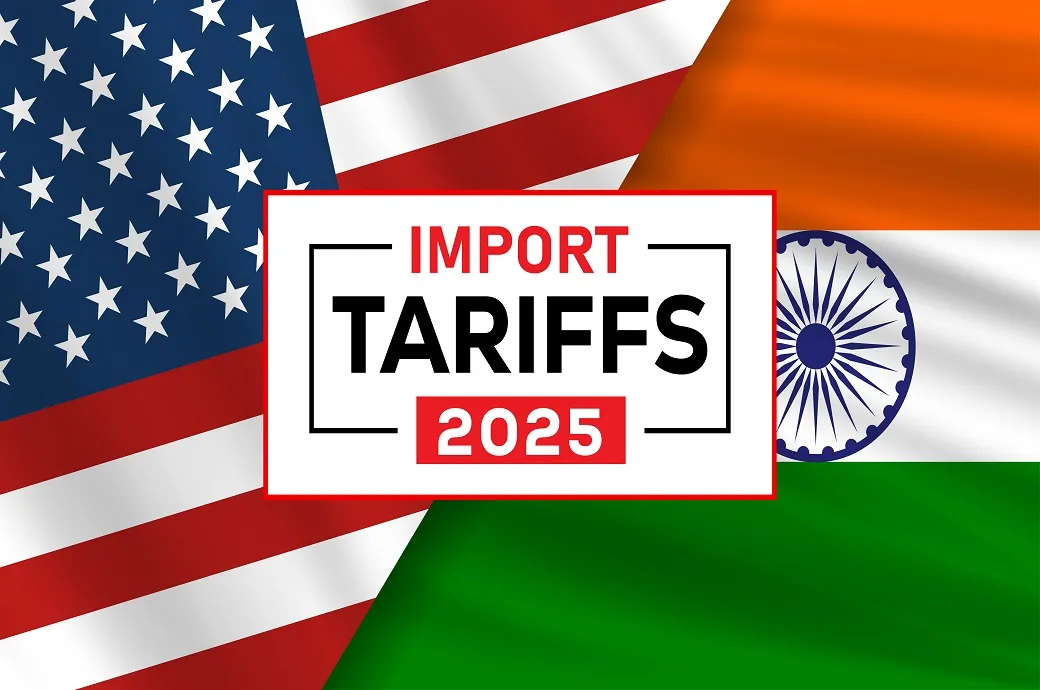
US tariffs on Chinese goods—from steel and aluminum to EVs and solar modules—are reshaping global supply chains. Tamil Nadu’s MSMEs are impacted differently:
-
Textiles, leather, and light engineering products may benefit as buyers look for alternatives to Chinese suppliers.
-
Petrochemical-linked MSMEs, plastics, and machinery manufacturers face price pressures due to diverted Chinese goods.
Exporters in Tiruppur and Vellore are seeing increased demand from Europe and the US. Yet, sectors like plastics and chemicals are vulnerable to geopolitical shifts.
Balancing Domestic and Global Pressures
Despite challenges, MSMEs continue to expand:
-
Job creation in rural areas is rising.
-
Technology adoption—from e-commerce platforms to solar-powered machinery—is spreading.
However, constraints remain:
-
Banks still require collateral many small businesses cannot provide.
-
Informal lenders charge high interest rates, reducing margins.
-
Disaster-hit regions await long-delayed reconstruction funds.
The MSME Export Promotion Council emphasizes that the sector’s success depends on effective policy implementation bridging the gap between global investment and ground-level resilience.